The Top 3 Ways to Improve Work Performance
Starting your career is exciting, but let’s be honest, it can also feel overwhelming. Deadlines pile up, expectations grow, and suddenly you’re juggling more than you ever imagined. If you’re an early-career professional, chances are you’ve already felt that quiet pressure building up, trying to prove yourself while staying productive and sane at the same time.
The real struggle? You’re working hard, but it doesn’t always feel like you’re moving forward. Stress creeps in, focus drops, and burnout starts knocking at your door.
The good news is, you don’t need to work harder. You need to work smarter.
In this article, we’ll walk through the top 3 ways to improve work performance in a way that feels sustainable, realistic, and actually doable. These strategies are simple, practical, and designed to help you regain control, reduce stress, and stay consistent, even on tough days.
Why Work Performance Feels So Hard Early in Your Career
Before we jump into solutions, let’s quickly understand what’s really going on.
Most early-career professionals face:
- Constant pressure to perform and impress
- Lack of clear structure or systems
- Difficulty prioritizing tasks
- Mental fatigue from multitasking
- Fear of falling behind
You’re not lazy, you’re overloaded.
Improving work performance isn’t about pushing yourself more. It’s about building systems that support you.

1. Build a Clear Daily System (Not Just a To-Do List)
Most people rely on long to-do lists. The problem? They overwhelm you more than they help.
Instead, focus on creating a simple daily system.
What This Looks Like:
Instead of writing 15 tasks, break your day into:
- Top 3 priorities (must get done)
- Secondary tasks (if time allows)
- Personal check-ins (breaks, hydration, mindset)
This approach reduces decision fatigue and gives your day direction.
Example:
Let’s say you’re working in a corporate job.
Instead of:
“Reply emails, finish report, meeting prep, follow-ups, research…”
Try:
- Finish the client report
- Prepare slides for the meeting
- Respond to urgent emails
Everything else becomes optional, not stressful.
Where Planners Help
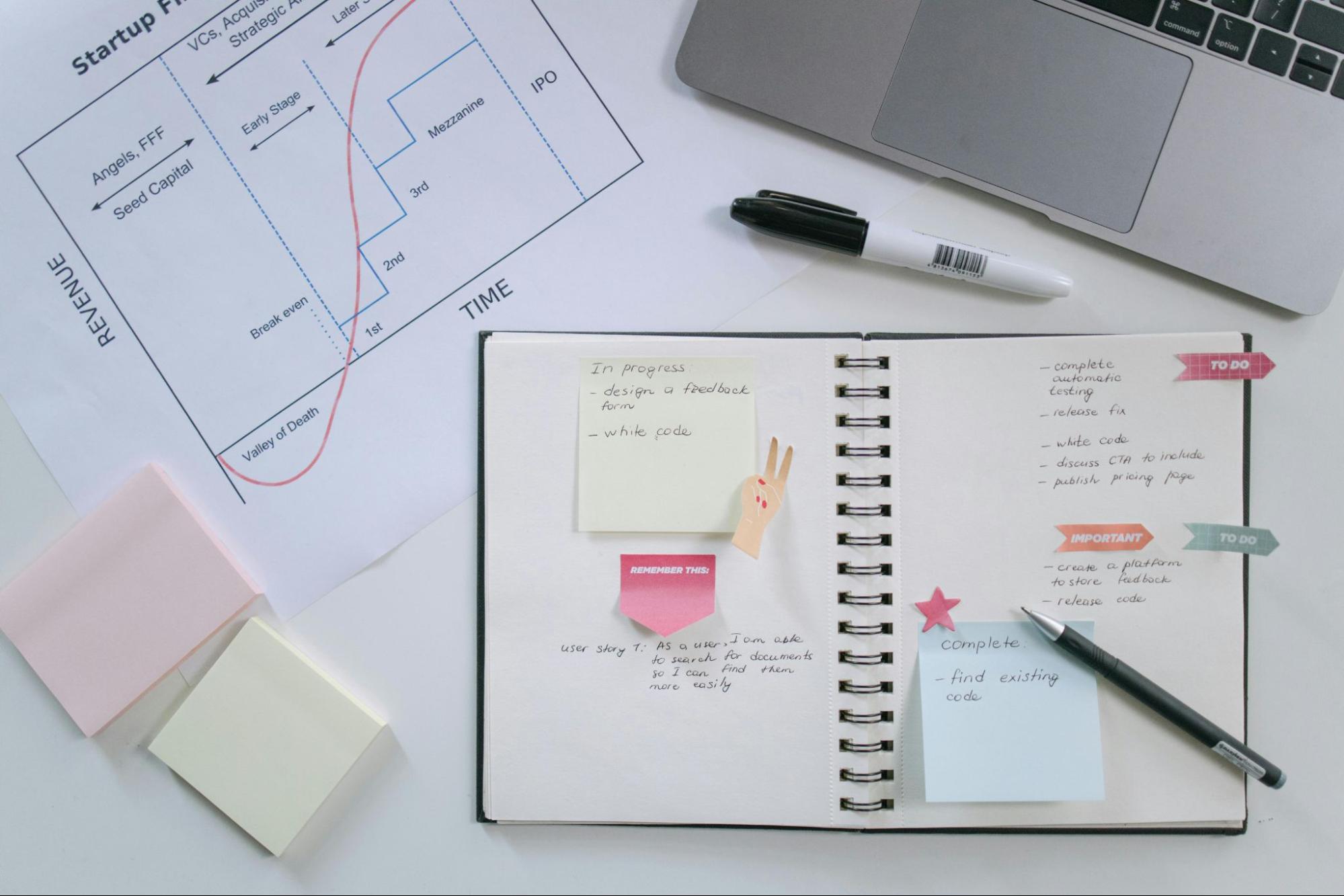
This is where structured tools like planners come in.
Using planners with built-in guides and checklists helps you:
- Organize tasks clearly
- Track your progress daily
- Stay focused on what actually matters
Think of it as your daily “mental reset space”, a place where chaos becomes clarity.
2. Learn to Manage Your Energy (Not Just Your Time)
One of the biggest mistakes people make? Treating time as the only resource. But in reality, energy matters more than time. You can sit for 8 hours and still get nothing meaningful done if your energy is low. To know about the top 3 ways to improve work performance, you must know yourself better.
Identify Your Peak Productivity Time
Ask yourself:
- When do I feel most focused? Morning? Afternoon? Night?
Once you know this, schedule your most important work during that time.
Use the 90-Minute Focus Rule
Work in focused blocks:
- 60–90 minutes of deep work
- 10–15 minutes break
Repeat 2–3 times a day.
This prevents burnout and keeps your brain fresh.
Quick Energy Boost Habits
- Take short walks
- Drink water regularly
- Step away from screens
- Avoid multitasking
Even small changes can dramatically improve your work performance.
3. Reduce Mental Clutter with Simple Productivity Habits
A cluttered mind leads to poor performance.
If your brain is constantly thinking about “everything,” it struggles to focus on “one thing.”
Try These Simple Habits:
• Brain Dump Daily
At the start or end of your day, write down everything on your mind:
- Tasks
- Worries
- Ideas
This clears mental space and helps you focus.
• Set Boundaries with Work
You don’t have to say yes to everything.
Start practicing:
- Saying “I’ll get back to you” instead of an immediate yes
- Prioritizing important over urgent
- Limiting unnecessary meetings or distractions
• Create a Shutdown Routine
End your day intentionally:
- Review what you completed
- Plan the next day
- Mentally “log off” work
This reduces stress and improves your next day’s performance.
How Planners Support This
Planners designed for productivity and self-growth can help you:
- Reflect on your day
- Track habits and progress
- Stay consistent without overthinking
They act like a guide, especially when you’re still figuring out your workflow.
Real-Life Scenario: From Burnout to Balance
Imagine Sarah, a 24-year-old marketing executive.
She works long hours, feels constantly behind, and struggles to focus.
After trying these strategies:
- She limits her tasks to 3 priorities a day
- Uses a planner to organize her schedule
- Works in focused blocks instead of multitasking
- Adds small breaks to recharge
Within a few weeks:
- She feels less stressed
- Gets more done in less time
- Starts enjoying her work again
The difference? Not an effort structure.
Small Changes That Make a Big Difference
If you’re feeling overwhelmed, start small.
You don’t need to change everything overnight.
Try this:
- Day 1: Set only 3 priorities
- Day 2: Add focused work sessions
- Day 3: Start a simple planning routine
Consistency beats perfection.
Bonus Tips to Boost Work Performance
Here are a few extra strategies you can apply immediately:
- Start your day without your phone (protect your focus)
- Use timers to stay on track
- Celebrate small wins to stay motivated
- Keep your workspace clean to reduce distractions
- Avoid overloading your schedule
Remember: Productivity is not about doing more, it’s about doing what matters.
Conclusion: Work Smarter, Feel Better
Improving your work performance doesn’t require extreme discipline or long working hours. It’s about building simple, sustainable habits that support your focus, energy, and mental clarity.
By creating a clear daily system, managing your energy, and reducing mental clutter, you can take control of your workday without feeling overwhelmed. And tools like planners can quietly support you in staying consistent and intentional, especially when things get busy.
If you’re feeling stuck right now, that’s okay. Start small. Stay consistent. And remember, you’re not trying to become perfect, just better than yesterday.
If you’re looking for the top 3 ways to improve work performance, practical strategies, and guidance, explore more articles here that help you stay focused, motivated, and in control of your journey