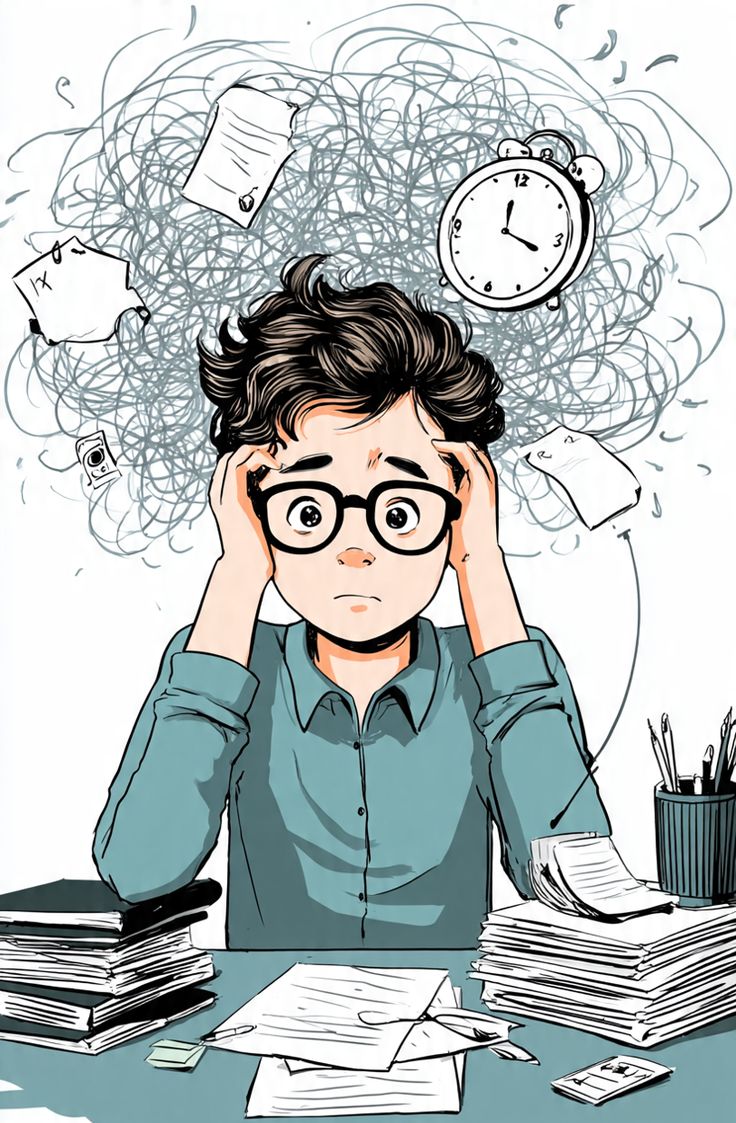
How Negative Thinking Causes Stress and Anxiety (2026 Guide)
Written by Rabiya Khan
How Negative Does Thinking Lead To Stress & Anxiety? (2026 Guide)
Negative thinking is one of the major factors contributing to stress in today’s world. However, people generally overlook the fact that the thoughts running through their minds have a direct impact on their mood, mental state, energy levels, and general well-being.
An idea or thought can rapidly evolve from a single negative idea to overthinking, panic, and emotional fatigue. The long-term consequence of such mental strain may negatively influence one’s physical and psychological health.
If you regularly dwell on issues, fear failure, anticipate a negative outcome, or berate yourself continuously, you might already be suffering from the detrimental impacts of negative thinking.
This comprehensive guide will provide insights on the way negative thinking leads to stress and anxiety, the reasons behind the issue, and ways to curb negative thinking.
What is Negative Thinking?
Negative thinking is a mental state characterized by a tendency for an individual to:
· Focus on problems
· Feel fear
· Experience failure
· Identify weaknesses
· Consider the worst case scenario
Rather than looking for opportunities or solutions, the mind assumes that negative things will happen.
Examples of Negative Thinking
· "I'll never make it."
· "Something is going to go wrong."
· "I'm not intelligent enough."
· "No one gets me."
· "I always fail."
Even if these thoughts sound normal, too much negativity can lead to mental unrest and instability.
Why is Negative Thinking Dangerous?
The mind perceives negative thinking in much the same way as it perceives stressful situations.
With each bout of negative thinking, the brain reacts to danger and triggers the body’s natural stress response.
Consequently, the following happens:
· Hormones of stress become more active.
· Anxiety increases.
· Focus becomes less sharp.
· The emotional charge becomes weaker
In the long run, this stress may impact both psychological and physical well-being..
Link Between Negative Thoughts and Stress
In order to know how negative thoughts lead to stress, one must first understand how the mind processes thoughts.
The mind cannot always tell the difference between:
· Actual threat
· Perceived threat
Whenever your thoughts involve:
· "I am going to fail."
· "Things are going bad."
The mind perceives these thoughts as real threats.
This results in an endless cycle of stress.
Impact of Negative Thoughts on Brain Functioning
Negative thoughts result in brain function changes over time.
Research from American Psychological Association (APA) shows that long-term stress and negative thinking patterns can significantly affect mental well-being.
They may lead to:
· Increased anxiety
· Decreased concentration
· Reduced motivation
· Emotional fatigue
· Increased ruminating thoughts
Those stuck in negative thinking are usually exhausted mentally despite being physically inactive.
Overthinking and Stress
Overthinking is one of the largest consequences of negativity.
Learning effective stress management tips for students can help reduce mental pressure and improve emotional balance.
With overthinking, people:
· Ruminate on their problems over and over again
· Think of the worst case scenarios
· Over-worry about the future
Thus, mental and emotional strain are created.
Indications of Overthinking Include:
· Trouble sleeping
· Chronic worry
· Unfocused
· Mental tiredness
· Stress
Overthinking leaves people’s minds in the realm of stress.

Negative Thinking and Social Media
Social media has a great impact on negative thinking.
If phone usage constantly affects your concentration and mental health, read how to avoid mobile distraction and stay productive.
Individuals are always comparing themselves in terms of:
· Success
· Lifestyle
· Looks
· Achievements
These comparisons make one feel insecure and dissatisfied.
Impact of Social Media on Mental Well-being
· Poor self-image
· Anxiety
· Stress
· FOMO
Reducing social media use may improve psychological well-being.
Impact of Negative Thoughts on Sleep
Individuals who experience high levels of negative thoughts have difficulties getting restful sleep.
Information published by Harvard Medical School explains that healthy sleep habits support better emotional and mental health.
Before falling asleep, the brain goes through:
· Recalling issues
· Pondering fears
· Making up scenarios
· Inadequate sleep worsens stress levels.
Impacts of Poor Sleep
· Fatigue
· Unstable moods
· Difficulty concentrating
· Higher anxiety
Quality sleep is crucial for good mental well-being.
Negative Thoughts and Confidence
Negative thoughts erode self-confidence gradually.
Building confidence and purpose becomes easier when you understand why students lose motivation and how to fix it fast.
If you are always criticizing yourself:
· You begin to doubt your own skills
· Fear builds up
· Motivation dwindles
Lack of confidence adds to anxiety and psychological distress.
Physical Consequences of Stress Induced by Negative Thinking
Not all stress is psychological. Physical symptoms also exist.
Some Common Physical Manifestations Are:
· Headache
· Exhaustion
· Muscle tension
· Rapid heart rate
· Abdominal disturbances
Persistent stress has negative effects on one’s physical well-being.
Causes of Negative Thoughts
It is easier to solve a problem if you know what caused it.
Cause No.1: Fear of Failure
People often think negatively because they are afraid of failing.
Such thoughts as:
· “What if I fail?”
· “What if they will criticize me?”
Cause fear and anxiety.
2. Previous Experiences
Painful experiences can affect thinking patterns.
Individuals who have experienced:
· Rejection
· Criticisms
· Failing
Can develop negative thinking patterns.
3. Harmful Environment
Negative individuals can affect your thinking patterns.
Continuous criticisms, negativity, and toxic relationships can affect your stress levels.
4. Inadequate Self-care
Bad lifestyle practices have an impact on psychological wellness.
For example,
· Insufficient rest
· Absence of physical activity
· Inadequate nutrition
· High dependence on the mobile phone
Good behavior can maintain psychological wellness.
Methods to Control Negative Thoughts and Stress
It is time to learn how to control negative thoughts.
1. Identifying Negative Thought Patterns
First, there must be awareness.
Notice how you think:
· When does your negative thinking occur?
· What makes you feel stressed?
Being able to identify these can give you more control.
2. Questioning Negative Thoughts
Not all thoughts are facts.
Consider the following:
· Is my thinking realistic?
· Am I overthinking things?
· What proof do I have?
3. Positive Self-Talk
Your own conversation with yourself is very important.
Instead of:
“Can’t do it.”
Use:
“Getting better all the time.”
Positive self-talk builds up one’s confidence and makes them stress-free.

4. Don’t Overthink
Overthinking leads to emotional exhaustion.
How to overcome overthinking?
· Stay in the present moment
· Keep yourself engaged in constructive activities
· Maintain a diary of your thoughts
· Do not dwell on bad situations
It makes you more mentally clear.
5. Restrict Social Media Access
Too much access to social media causes psychological distress.
Suggestions for Improvement
· Cut back on screen time
· Mute unwanted material
· Take digital detox days
Mind care matters.
6. Exercise Often
Exercising is an excellent method of managing stress.
Benefits of exercise include:
· Alleviating stress
· Boosting mood
· Building up energy levels
· Minimizing anxiety
A brief daily stroll is beneficial to well-being.
7. Be Grateful
Gratitude takes your mind away from negative aspects.
Also Check:5 minute habits that improve productivity
Easy Gratitude Exercise
· Jot down three things that you’re grateful for each day.
· Your mind becomes trained to look for positive aspects in life.
8. Upgrade Your Sleep Cycle
Good sleep helps in regulating emotions.
Positive Sleep Practices
· Sleep for 7-8 hours each day
· No screens before bedtime
· Keep a consistent sleep cycle
9. Surround Yourself with Positive People
A positive environment helps you stay mentally healthy.
Positive people help you by:
· Reducing stress
· Helping you grow
· Building up your confidence
The energy of other people can affect your mind.
10. Think About Solutions Rather Than Problems
People with negative attitudes tend to concentrate on problems.
Positive-minded individuals concentrate on:
· Solutions
· Action plans
· Improvements
Best Positive Thinking Practices
Some easy-to-follow daily practices that can contribute to mental positivity include:
· Reading inspirational material
· Practicing mindfulness
· Working out regularly
· Spending time outdoors
· Not engaging in negative talk
· Focusing on personal development
Small practices have large effects on the mind.
Advantages of Positive Thinking
Rejection of negative thoughts in favor of positive thinking enhances:
· Psychological well-being
· Self-confidence
· Work efficiency
· Emotional balance
· Interpersonal relationships
· Physical well-being
Positive thinking does not involve avoiding problems. It involves solving them logically and effectively.
Frequently Asked Questions (FAQs)
How does negative thinking lead to stress?
Negative thinking triggers the stress mechanism in the brain, making you more anxious.
Is it possible for overthinking to impact one’s well-being?
Yes, overthinking can be detrimental to mental health as it causes stress and anxiety.
How can I reduce negative thinking without medication?
Self-reflection, positivity, exercising, gratitude, and meditation can help reduce negative thoughts.
Does social media influence negative thinking?
Yes, social media can contribute to negative thinking due to comparisons and insecurities.
Concluding Thoughts
First of all, understanding the way your mind creates stress from negative thinking will help you to change your life for the better.
Negative thinking not only is the bad habit but also influences your brain, feelings, and general state of your health.
But don't worry because thoughts can always be changed By:
· Cutting out overthinking
· Developing positive habits
· Taking care of yourself
· Dealing with stress correctly
you will create a new and improved mindset for yourself.
Just remember:
The power of the mind grows with training.