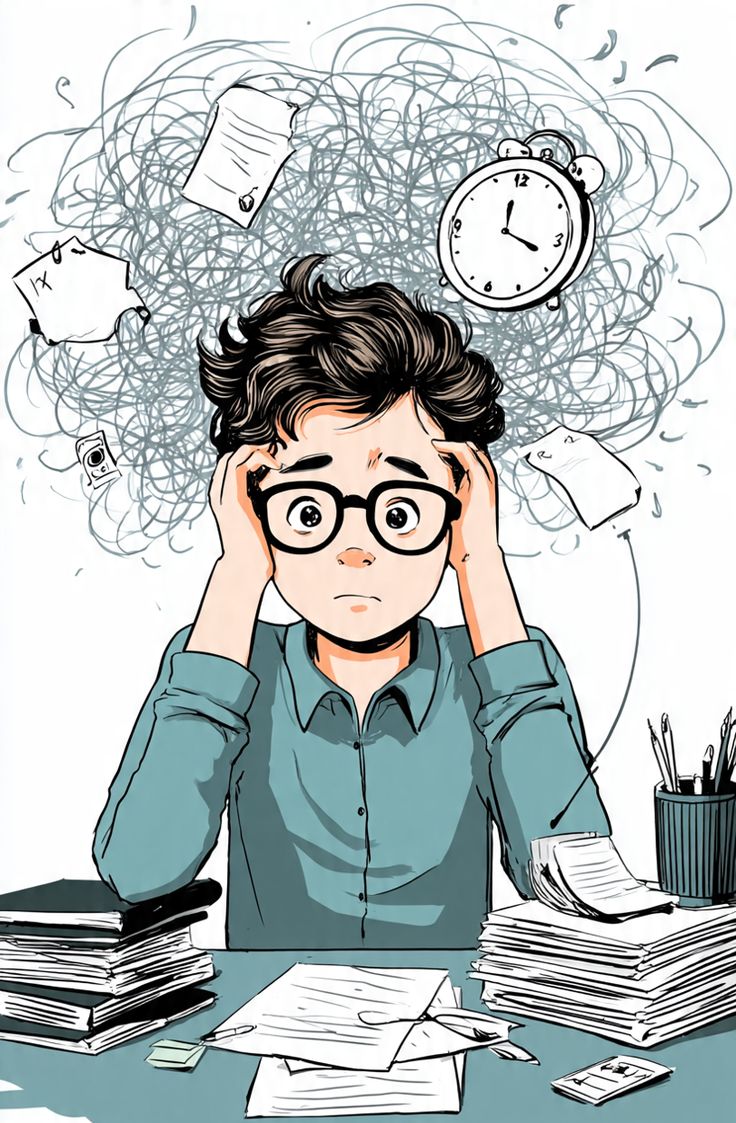
Stress Management Tips for Students(2026): Proven Ways to Reduce Exam Pressure
Importance of Stress as a Major Issue for Students
Undoubtedly, one of the most common problems faced by students as well as by all the
students in general is stress. No matter what the cause of stress is, whether exam-related,
assignment-related, family pressure, or stress due to uncertainty about the future, it is very
true that students face a lot of troubles in their lives.
Due to the intense competition in the current educational environment, there are high
expectations from students and it becomes quite difficult for them to live up to the standards.
This might cause fatigue, depression, and poor concentration.
However, if this stress is not managed effectively, it can have very serious consequences on
academic achievement, sleep patterns, self-esteem, and mental well-being of the concerned
individual.
Therefore, it is vital for students to become aware of stress management tips for themselves in
2026.
Through this guide, you will learn about some useful stress management techniques.

What is Stress in Students?
Stress is the body’s normal response to pressure. For students, stress often occurs when they:
Have too much studying
Are not prepared for an exam
Fear of failing Are pressurized by their parents or teachers
Cannot control time
Some stress may actually be good since it helps them concentrate more. But if it is too much
stress, then it will have negative impacts on them.
Also Check:Productivity Tips for Work That Actually Make Your Day Easier
Common Causes of Student Stress
Finding out the real reasons is the beginning point for finding solutions.
1. Exam Stress
Exams create immense stress for the students. The reason is the need to obtain good
scores.
2. Lack of Effective Planning
The lack of proper planning often results in immense stress for students.
3. High Standards Set by Parents
A lot of students have high standards set by their parents.
4. Healthy Competition
Today, the level of competition among students is extremely high.
5. Bad Sleep Habits
Bad sleeping habits create stress.
6. Uncertainty About Career Options
Uncertainty about their career options often creates anxiety for students.
Best Stress Management Tips for Students
Now, let’s talk about the best ways to relieve stress.
1. Manage Your Time Efficiently
The main cause of student stress is bad time management.
You will feel stressed all the time and won't be able to finish your work if you fail to do
this.
Also Check:How To Stay Focused, Avoid Distractions, And Increase Concentration
What can be done:
Plan a study routine each day
Divide your subjects into smaller chunks
Set realistic targets Do not procrastinate
This way you will have less pressure on your mind.

2. Reduce Mobile Phone Usage During Study Time
Mobile overuse is one of the main causes of distraction among students.
Social media applications such as TikTok, Instagram, and YouTube take up plenty
of time and make you unproductive.
Solution:
Stop notifications when studying
Enable “Do Not Disturb” function
Don’t use the phone while studying
Concentrated study eliminates stress.
3. Practice Deep Breathing Exercises
Deep breathing is a scientifically validated technique that can help relieve anxiety and stress
rapidly.
Easy steps:
Breathe in for 4 seconds
Hold for 4 seconds
Breathe out for 6 seconds
Perform this exercise for 5–10 minutes every day.
This will help soothe your nerves and improve concentration.
4. Get Proper Sleep (Very Important)
Sleep is important for mental well-being.
Those sleeping less experience higher levels of stress and fatigue.
Tips:
Spend at least 7-8 hours sleeping each day
Do not study late at night on a regular basis
Establish consistent sleeping times
Proper sleep helps to improve memory and decreases stress.
5. Use Smart Study Techniques
Rather than cramming all information at once, apply smarter study strategies.
Smarter strategies include:
Taking brief notes Following revision cycles
Working on previous years' papers
Explaining the concepts to another person
Smarter studying alleviates stress and promotes comprehension.
6. Include Physical Activity in Your Routine
Physical exercise ranks among the most effective methods to relieve stress.
Endorphins (feel-good hormones) are released during exercise.
Simple exercises include:
20-30 min walk each day
Jogging
Working out at home
Even minor physical effort can help alleviate stress.
7. Talk About Your Problems
If you keep stress bottled up in your head, it causes anxiety.
Speaking can relieve stress.
Also Check:Productivity Tips for Work That Actually Make Your Day Easier
You can speak with:
Parents
Friends
Teachers
Counselors
Talking about problems can help solve them.
8. Break Big Tasks into Smaller Steps
Big projects seem too much and are stressful.
Solution:
Do not think,
"I need to read the entire book"But rather,
"I shall read 2 chapters today"
Small goals are more manageable and less stressful.
9. Practice Meditation and Mindfulness
Meditation allows for better concentration and less over-thinking.
Steps:
Sitting quietly for 10 minutes
Breathing mindfully
Removing all distractions
It enhances your ability to think clearly and feel emotionally stable.
10. Maintain a Healthy Lifestyle
Your physical well-being influences your mental well-being.
Good practices include:
Eat nutritious meals
Consume sufficient fluids
Shun unhealthy snacks
Exercise regularly
A healthy body ensures a peaceful mind.
Also Check:Focus in the Silent, Shine in the Spotlight
Frequently Asked Questions (FAQs)
Q1: How do students get rid of stress instantly before an
examination?
Students can get rid of stress through deep breathing, revision of short notes, and not getting
stressed out just before an examination.
Q2: What are the sources of stress among students?
Exam stress, lack of good time management, and unreasonably high expectations lead to stress
among students.Q3: Is stress common among students?
Stress is quite common among students and is sometimes even useful, although excessive
amounts of stress are damaging.
Q4: Does exercise help alleviate stress?
Indeed, regular exercise alleviates stress hormones.
Conclusion
Stress is something that students often go through, but this can be handled by proper
behavior and techniques.
By making sure that you manage time well, don’t get distracted, have enough rest, and
use relaxation techniques, students can reduce their stress levels and improve their
academic performance.
Remember that studying hard will not lead to success; rather, studying smart is what
counts.
Try implementing these tips and see how much your performance will
improve!