Productivity Is Not About Doing More, It’s About Doing What Matters
Why Most People Feel Busy but Achieve So Little
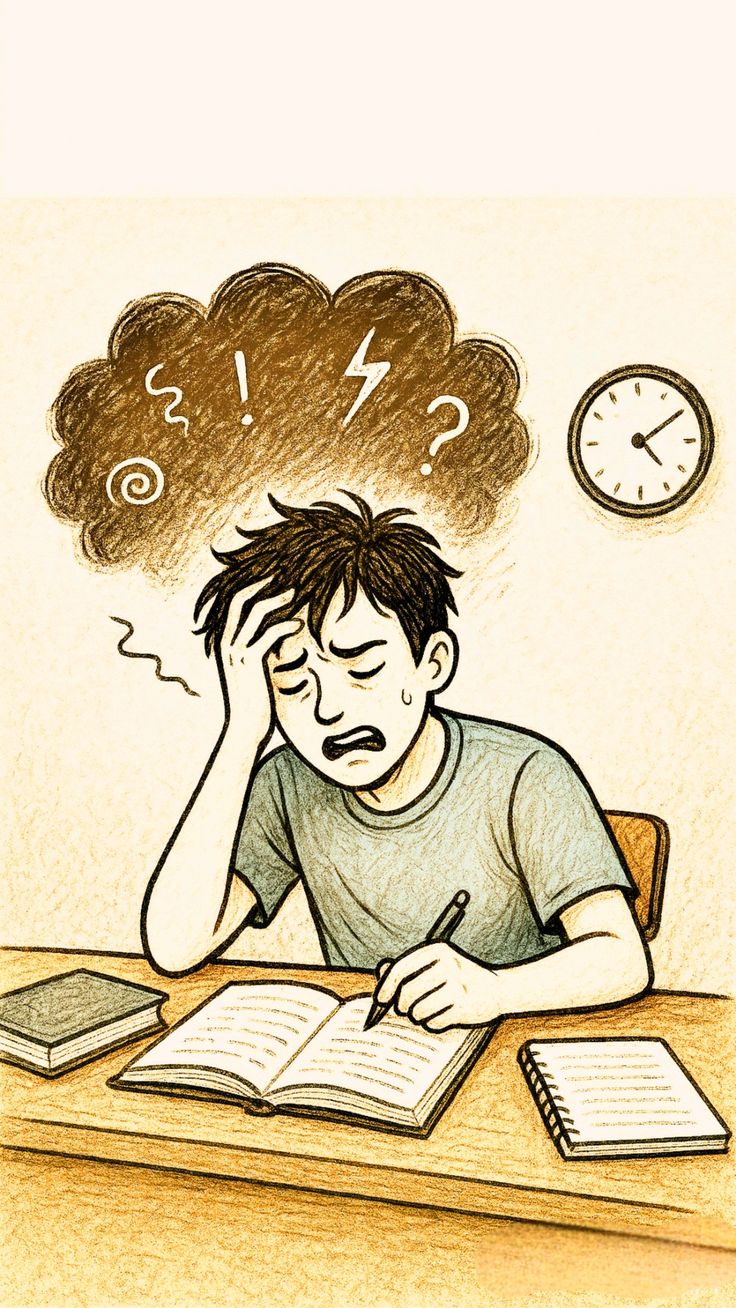
Every day, millions of people wake up tired, rush through their mornings, answer emails, scroll social media, attend meetings, and collapse into bed feeling exhausted yet unfulfilled. They were busy all day, but at the end of it, they couldn’t clearly say what they actually accomplished.
This is the productivity trap.
Productivity has been misunderstood for years. People think productivity means doing more, working longer, or hustling nonstop. But real productivity isn’t about how much you do, it’s about what you do and why you do it.
A productive person isn’t the one who never rests.
A productive person is the one who moves their life forward with intention.
This blog will help you rethink productivity from the inside out through mindset, habits, systems, and real-life examples you can actually apply.
Productivity Starts With Clarity, Not Effort
One of the biggest productivity myths is that success comes from trying harder. In reality, clarity beats effort every time.
Imagine two people:
- One works 12 hours a day but has no clear priorities.
- The other works 4 focused hours on the right tasks.
Who wins long-term?
The second person.
Example: The Busy Professional
Sarah works in an office and stays late every day. She answers emails instantly, attends every meeting, and multitasks constantly. Yet she keeps missing promotions.
Her colleague Alex works fewer hours but plans his week every Sunday. He identifies 2–3 high-impact tasks and protects time for them. Within a year, Alex advances.
The difference wasn’t intelligence or effort; it was clarity.
Action Step
Ask yourself:
- What actually moves my goals forward?
- Which tasks give results, and which only give the illusion of work?
Write down your top 3 priorities for the week, not 30 tasks, just 3 outcomes.
Being Busy Is Often a Form of Avoidance
Many people stay busy to avoid discomfort.
They answer messages instead of starting difficult work.
They clean their workspace instead of thinking deeply.
They scroll productivity content instead of applying it.
Busyness feels safe. Real productivity feels uncomfortable.
Example: The Content Creator
A YouTuber spends hours designing thumbnails, watching analytics, and checking comments, but avoids recording videos because it feels uncomfortable.
The result? Activity without progress.
Truth
Productivity means doing the hard, important things first, not the easy, urgent ones.
Action Step
Each day, ask:
“What am I avoiding that would make the biggest difference if I did it?”
Then do that first.
Focus Is the New Productivity Superpower
In a world full of notifications, focus is rare and therefore powerful.
Most people don’t struggle with a lack of time; they struggle with fragmented attention.
Deep Work vs Shallow Work
- Shallow work: Emails, notifications, quick tasks
- Deep work: Writing, problem-solving, strategy, learning
Shallow work keeps you busy.
Deep work creates value.
Example: The Programmer
A developer tries to code while checking messages every 5 minutes. Progress is slow and frustrating.
When he starts working in 90-minute focus blocks with notifications off, his productivity doubles.
Action Step
- Turn off non-essential notifications
- Schedule focus blocks (60–90 minutes)
- One task. One screen. Full attention.
Energy Management Is More Important Than Time Management
You don’t have equal energy all day so stop treating all hours the same.
High-energy hours should be used for:
- Thinking
- Creating
- Decision-making
Low-energy hours are better for:
- Admin work
- Replies
- Routine tasks
Example: Morning vs Night
Some people are sharp in the morning. Others peak at night. Productivity increases when you align work with energy not when you force routines copied from others.
Action Step
Track your energy for 7 days:
- When do you feel most focused?
- When do you feel drained?
Schedule your most important work during peak energy.
Systems Beat Motivation Every Time
Motivation is unreliable. Systems are dependable.
Highly productive people don’t rely on feeling inspired; they rely on structure.
Example: The Writer
A writer who waits for motivation publishes one article a month.
A writer with a system (write 500 words every morning) publishes consistently.
Productivity Systems You Can Use
- Time blocking: Assign tasks to specific time slots
- Daily planning: Plan tomorrow the night before
- Habit stacking: Attach new habits to existing ones
Action Step
Create one simple system:
“At 8–9 AM every weekday, I work on my most important task no exceptions.”
Saying No Is a Productivity Skill
Every “yes” costs time, energy, and focus.
Productive people aren’t rude they’re selective.
Example: The Freelancer
A freelancer accepts every project and burns out.
Another freelancer sets boundaries and chooses high-value work.
Who earns more long-term?
The one who says no more often.
Action Step
Before saying yes, ask:
- Does this align with my goals?
- Is this worth the time it costs?
If not, politely decline.
Perfectionism Is the Enemy of Productivity
Perfectionism looks like high standards but often hides fear.
Fear of:
- Judgment
- Failure
- Not being good enough
Example: The App Developer
An app never launches because it’s “not ready yet.”
Another app launches imperfectly and improves with feedback.
The second one wins.
Rule
Done is better than perfect.
Progress beats polish.
Action Step
Set deadlines that force completion.
Allow version 1 to be imperfect.
Rest Is Part of Being Productive
Burnout kills productivity faster than laziness.
Rest isn’t a reward it’s a requirement.
Example: The Overworker
Someone works 14 hours daily and crashes after 3 months.
Another works 6 focused hours with proper rest and stays consistent for years.
Action Step
- Sleep 7–8 hours
- Schedule breaks
- Protect one day a week for recovery
Sustainable productivity wins.
Productivity Is Personal Stop Copying Everyone
What works for others may not work for you.
Some people thrive on strict routines.
Others need flexibility.
Example
- Morning routines work for some
- Night productivity works for others
Productivity isn’t about copying it’s about self-awareness.
Action Step
Experiment. Adjust. Reflect.
Build your own productivity style.
The Real Goal of Productivity
Productivity is not about:
- Filling every hour
- Hustling endlessly
- Becoming a machine
True productivity is about:
- Living intentionally
- Creating meaningful results
- Having time for what matters most
A productive life feels calm, focused, and purposeful, not rushed and chaotic.
Conclusion: Start Small, But Start Today
You don’t need a perfect system.
You don’t need more motivation.
You don’t need another productivity app.
You need:
- Clarity
- Focus
- One small action today
Choose one idea from this blog.
Apply it for 7 days.
Then build from there.
Productivity isn’t a destination; it’s a daily practice.
And the moment you take ownership of your time, your life begins to change.