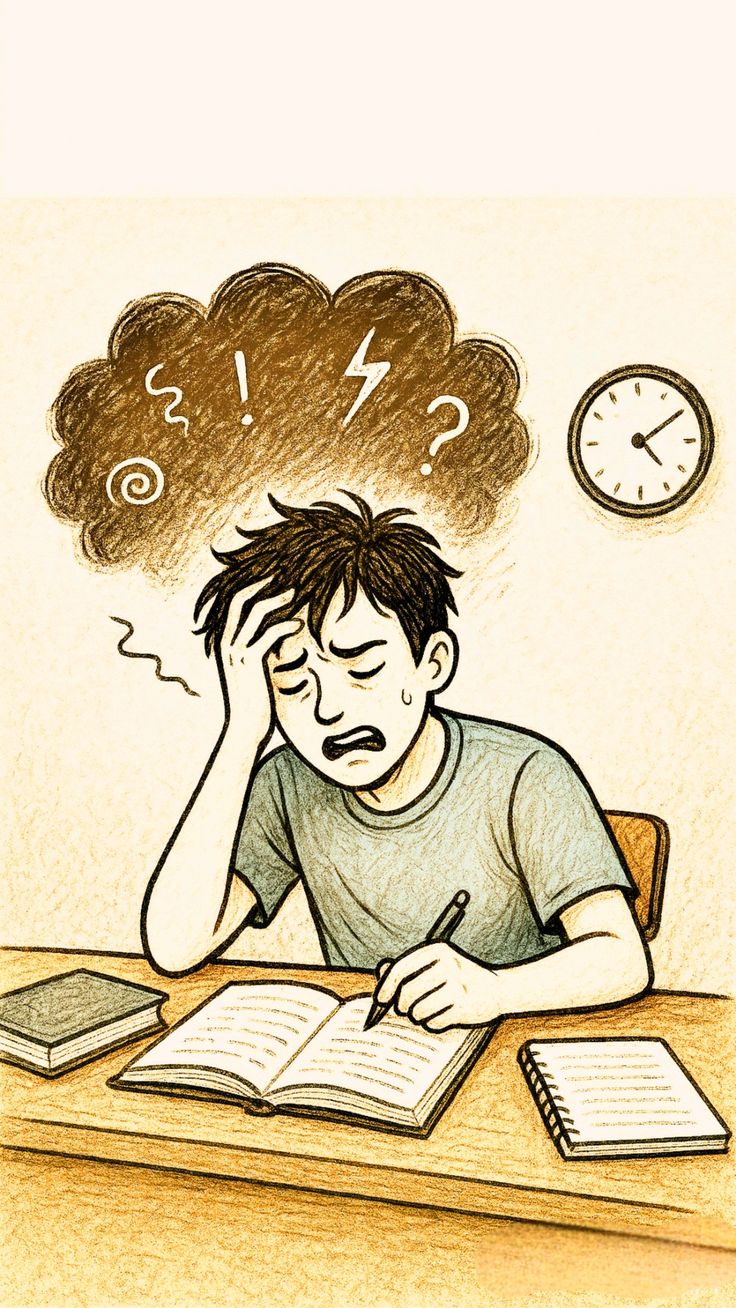
How to Overcome Anxiety and Depression: A Practical Guide to Healing, Strength, and Inner Peace
You Are Not Weak, You Are Human
Anxiety and depression do not mean you are broken. They do not mean you are weak. And they do not define who you are.
They are signals and messages from your mind and nervous system telling you that something inside you needs care, understanding, and healing.
Millions of people silently struggle with racing thoughts, constant worry, emotional numbness, low motivation, fear of the future, and a deep sense of emptiness. On the outside, they smile. On the inside, they fight battles no one sees.
If you are here, reading this, it means you want relief. You want clarity. You want peace. And most importantly, you want your life back.
This guide is not about “positive thinking” or pretending everything is fine. It is about real healing, built slowly, honestly, and sustainably.
Understanding Anxiety and Depression
Before you can overcome anxiety and depression, you must stop fighting yourself.
What Anxiety Really Is
Anxiety is your nervous system stuck in survival mode. Your body believes danger is everywhere, even when you are safe. That’s why you feel:
- Constant worry
- Tight chest
- Racing heart
- Overthinking
- Fear of losing control
Anxiety is not imagination. It is a physiological response.
What Depression Really Is
Depression is not laziness. It is emotional exhaustion. It often comes from prolonged stress, unresolved pain, suppressed emotions, or deep disappointment.
Depression feels like:
- Loss of interest
- Emotional numbness
- Low energy
- Hopelessness
- Feeling disconnected from life
Both anxiety and depression are responses, not character flaws.

Stop Resisting Your Feelings
One of the biggest mistakes people make is trying to “get rid” of anxiety and depression.
Healing begins when you stop running.
Instead of saying:
- “I shouldn’t feel this way.”
- “Something is wrong with m.e”
Say:
- “Something inside me needs attention.”
- “This feeling is trying to protect or inform me.”
When you resist emotions, they grow louder. When you acknowledge them, they soften.
Sit with your feelings without judgment. You don’t need to analyze them just allow them.
Regulate Your Nervous System First
You cannot think your way out of anxiety and depression while your body is in distress.
Simple Nervous System Practices
- Deep breathing (inhale 4 seconds, exhale 6 seconds)
- Cold water on the face to calm the stress response
- Slow walks without music or phone
- Grounding exercises (naming 5 things you see, 4 you feel)
These techniques send a signal to your brain: “I am safe.”
Healing starts in the body.

Challenge the Stories Your Mind Is Telling You
Anxiety and depression lie convincingly.
They tell you:
- “This will never end”
- “You are behind in life”
- “You are not enough”
- “Others are doing better than you”
Thoughts are not facts.
Start questioning them:
- Is this thought helpful?
- Is it absolutely true?
- Would I say this to someone I love?
Replace harsh inner dialogue with neutral truth, not forced positivity.
Instead of:
“I’m a failure”
Say:
“I’m struggling, and I’m learning.”
Build Small, Non-Negotiable Daily Anchors
When life feels overwhelming, a small structure saves you.
You don’t need a perfect routine. You need consistency.
Daily Anchors That Help
- Wake up at the same time
- Shower and get dressed (even at home)
- Eat at least one nourishing meal
- Go outside daily
- Move your body for 10 minutes
Small actions rebuild self-trust.
Momentum heals depression.
Predictability calms anxiety.

Release Suppressed Emotions
Unfelt emotions do not disappear; they manifest as anxiety and depression.
Many people were taught to:
- Stay strong
- Not complain
- Ignore pain
But healing requires emotional honesty.
Try:
- Journaling without censoring
- Writing letters you’ll never send
- Crying without shame
- Speaking your truth to someone safe
You don’t heal by avoiding pain.
You heal by processing it.
Reduce Mental Overload
Your mind is not designed to consume endless information, news, comparison, and stimulation.
Mental Detox Practices
- Reduce social media exposure
- Stop comparing timelines
- Limit negative content
- Create silence daily
Silence is not empty, it is restorative.
A calm environment creates a calm mind.
Move Your Body Even When You Don’t Feel Like It
Movement is medicine.
You don’t need intense workouts. Gentle, consistent movement releases chemicals that improve mood naturally.
Options:
- Walking
- Stretching
- Yoga
- Light strength training
Your body stores emotional tension. Movement releases it.
Find Meaning, Not Just Motivation
Motivation disappears during depression. Meaning sustains you.
Ask yourself:
- What matters to me?
- Who do I want to become?
- What pain can I turn into purpose?
Helping others, creating something meaningful, or committing to personal growth gives suffering a direction.
Meaning turns pain into power.
Seek Support Without Shame
You are not meant to heal alone.
Therapists, counselors, trusted friends, or support groups exist for a reason.
Asking for help is not weakness, it is self-respect.
If symptoms are severe or persistent, professional support can be life-changing.
Practice Self-Compassion Daily
Talk to yourself the way you would talk to someone you love.
Healing is not linear.
Some days will be heavy.
Some days will feel hopeful.
Both are part of the journey.
Progress is not the absence of pain; it is the ability to carry it with strength.
A Message for You
You are not behind.
You are not broken.
You are not alone.
Anxiety and depression may be part of your story, but they are not the ending.
With patience, support, and self-honesty, you can rebuild your inner world. Slowly. Gently. Powerfully.
Healing is possible.
And you are worth the effort.