3 Realistic Ways to Level Up Your Work Performance
Written by Rabiya Khan
Beyond the Hustle: 3 Realistic Ways to Level Up Your Work Performance (Without Burning Out)
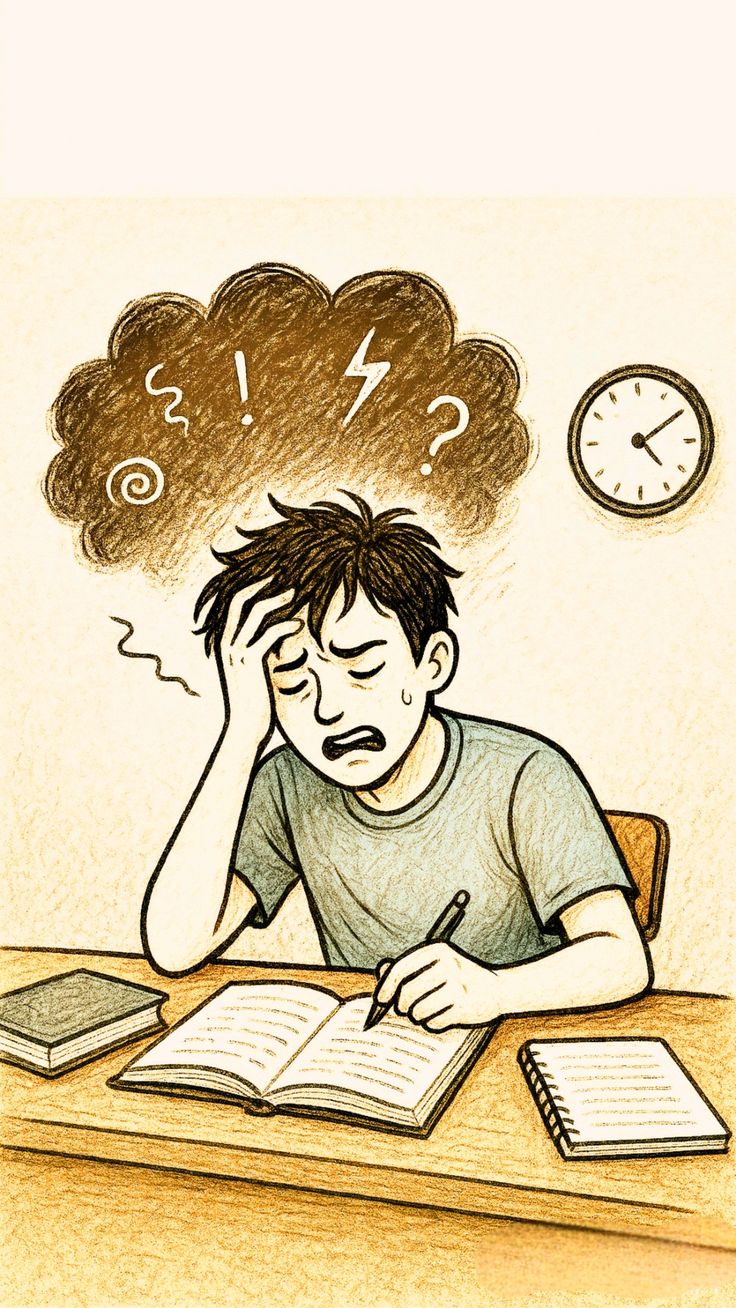
Starting your career is a thrilling milestone, but let’s be honest: it can also feel like trying to sip water from a firehose. Deadlines pile up, expectations soar, and suddenly you’re juggling more responsibilities than you ever anticipated.
If you are in the early stages of your career, you’ve likely felt that quiet, mounting pressure to prove yourself. You want to knock it out of the park, but instead, you find yourself staring at a laptop screen at 6:00 PM, exhausted but feeling like you barely made a dent.
The truth is, you don’t need to work harder. You need a better strategy. Improving your performance isn’t about squeezing more hours out of your day; it’s about building a sustainable system that protects your peace. Here is how to transition from surviving your workload to mastering it.
Why the Early-Career Curve Feels So Steep
Before fixing the problem, we have to understand why it happens. Most young professionals aren't struggling due to a lack of effort. They are struggling because of a structural deficit. You are likely experiencing:
- The "Always On" Trap: A constant internal pressure to impress everyone, all the time.
- The Myth of Multitasking: Juggling five tabs, three chats, and a spreadsheet, which only fractures your focus.
- Prioritization Paralysis: When everything feels urgent, nothing feels important.
You aren’t lazy; you’re just overloaded. To fix this, we need to shift from frantic effort to intentional systems.
1. Ditch the Infinite To-Do List for a "Rule of 3" System
Standard to-do lists are often just wish lists disguised as productivity. Writing down 20 tasks only guarantees you'll finish the day feeling like a failure, even if you knocked out 15 of them.
Instead, build a daily system rooted in reality. Break your day into three distinct tiers:
- The Non-Negotiables: Pick exactly three high-impact priorities that must get done today. If you only finish these three things, the day is a massive win.
- The Secondary Buffer: A few smaller tasks you’ll tackle only if your top three are complete.
- The Human Elements: Scheduled breaks, hydration checkpoints, and moments to step away.
The System in Action
Old Approach: "Today I need to reply to 50 emails, finish the Q3 report, prep for tomorrow's pitch, research competitors, and update the team tracker." (Result: Panic and half-finished work).
New Approach: "Today my three wins are: 1. Finalize the Q3 report drafts. 2. Outline the pitch slides. 3. Review urgent client emails." (Result: Clarity, focus, and execution).
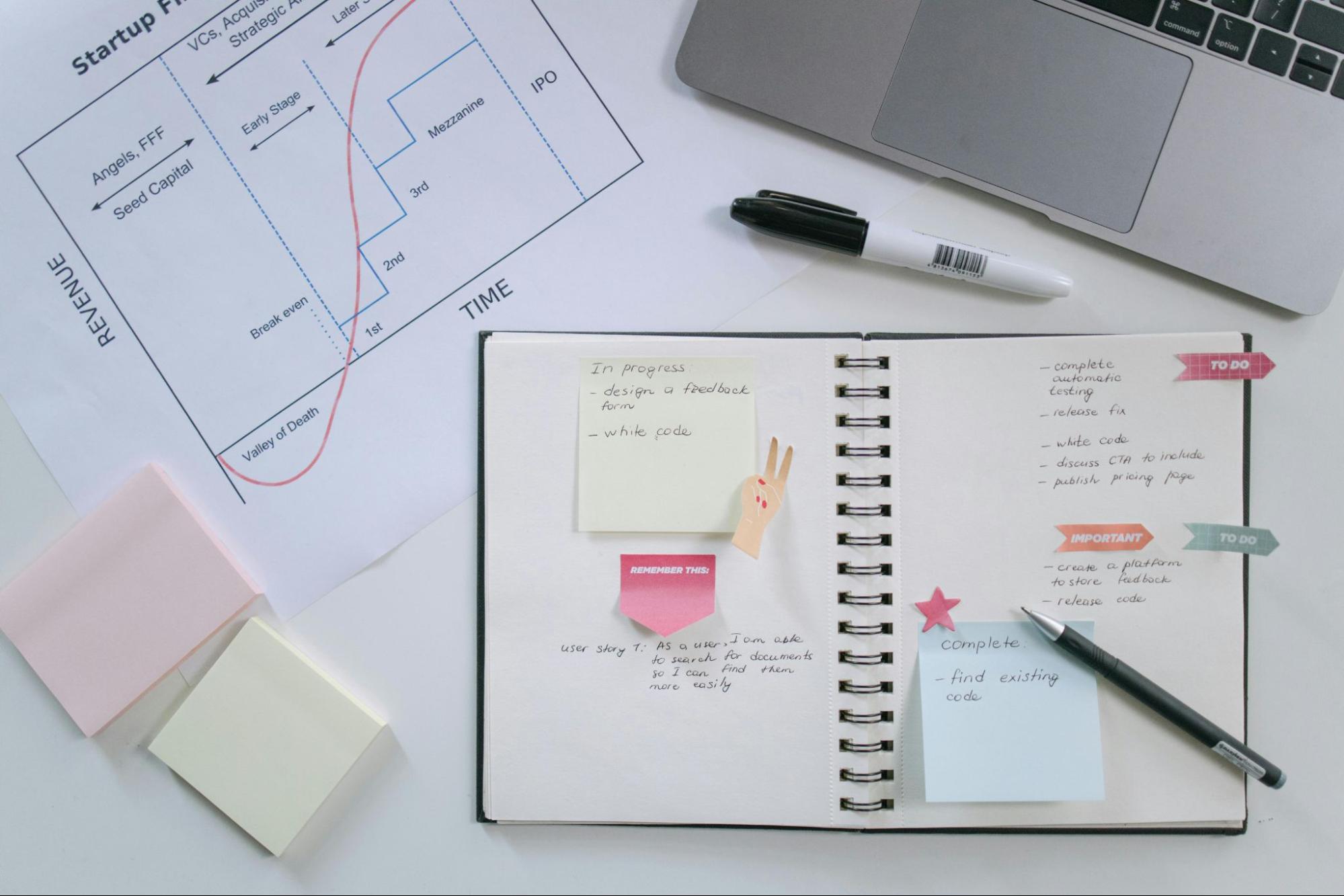
Pro-Tip: This is where physical planners or structured digital journals shine. Writing down your Top 3 by hand acts as a mental contract, cutting through the digital noise and anchoring your day.
 2. Manage Your Energy, Not Just Your Clock
Time is finite, but energy is flexible. You can have eight open hours in front of a computer, but if your brain is fried, you won’t produce quality work. High performance requires studying your own internal battery.
Find Your "Power Hours"
Are you a morning engine or a late-afternoon closer? Identify the 2 to 3-hour window where your brain fires on all cylinders. Guard this time fiercely. Use it for your heaviest, most creative, or most complex tasks. Leave administrative busywork—like sorting folders or answering routine messages—for your low-energy slumps.
Implement the 90-Minute Rhythm
Human brains thrive on pulses, not marathons. Try working in dedicated blocks:
- 60–90 minutes of deep, uninterrupted focus (no phone, no tab-switching).
- 10–15 minutes of true disconnection (walk around, stretch, get water).
By treating your day as a series of sprints rather than a grueling marathon, you prevent the late-afternoon crash and keep your cognitive energy sharp.
3. Clear Your Mental Dashboard
A cluttered mind is a slow mind. When you are constantly trying to remember everything you have to do, you leave very little brainpower available to actually do the work. To boost your performance, you need to lower your cognitive load.
- The Daily Brain Dump: At the start or end of every day, grab a piece of paper and write down everything swirling in your head—tasks, anxieties, random ideas, personal errands. Get it out of your head and onto paper. Once it’s visible, it loses its power to distract you.
- The "Strategic Wait" Option: You don’t have to agree to every request instantly. Practice saying, "I’d love to help with that. Let me look at my current pipeline and get back to you by this afternoon on when I can fit it in." This shifts you from a reactive worker to a proactive strategist.
- The Shutdown Routine: Create a 10-minute ritual at the end of the day. Check off what you did, write down tomorrow’s Top 3, and closed your laptop. This sends a clear signal to your brain that it is safe to step out of "work mode" and rest.
The Ripple Effect: From Overwhelmed to In Control
Consider the difference these small shifts can make. Imagine a marketing coordinator who used to log off at 8:00 PM feeling stressed, scatterbrained, and perpetually behind. By introducing a physical planner to lock in three daily priorities, working in 90-minute blocks, and instituting a hard shutdown routine, the dynamic flips. She gets the same amount of high-value work done by 5:00 PM, leaving her evenings free to actually recharge.
The variable didn't change—the system did.
[Chaos: No Boundaries]  -->  [Continuous Multi-tasking] --> [Burnout & Low Output]
                                      vs.
[System: Top 3 Tasks]   -->  [Energy-Driven Focus Blocks] --> [High Performance & Peace]
Your 3-Day Kickstart Plan
Don't try to overhaul your entire work life by tomorrow morning. Consistency beats intensity every single time. Instead, take a staggered approach:
- Day 1: Pick your Top 3 priorities tomorrow morning. Ignore the rest until those are done.
- Day 2: Put your phone in another room for just one 90-minute work block.
- Day 3: Spend the last 10 minutes of your day writing out your tasks for tomorrow so you can truly enjoy your evening.
Productivity isn’t about proving you can do everything; it’s about having the clarity to do what matters. Start small, protect your energy, and watch your career momentum take care of itself.